Một nhà sản xuất cửa sổ từng từ chối 1,8 tấn nhôm vì tường khung bên ngoài có kích thước 1,08 mm so với kích thước bản vẽ là 1,2 mm. Hợp kim là chính xác, anodizing đồng đều, giá cả cạnh tranh và lô hàng vẫn không đạt yêu cầu kiểm tra đầu vào. Một phần nhôm được đánh giá dựa trên bản vẽ chứ kh...
ĐỌC THÊM


Nhận báo giá
Danh mục sản phẩm
Nhà sản xuất thanh nhôm định hình
In the realm of contemporary construction and industrial design, aluminum extrusion profiles stand out as a transformative solution, seamlessly merging aesthetic sophistication with exceptional functional performance. These profiles are not merely materials but engineered systems designed to address the evolving demands of diverse industries. From architectural marvels to automotive innovations, aluminum extrusions offer unparalleled adaptability, enabling designers and engineers to push the boundaries of creativity while maintaining structural integrity.
Precision Engineering for Superior Performance
At the core of aluminum extrusion technology lies advanced manufacturing processes that ensure precision and consistency. The extrusion process involves forcing aluminum billets through custom-designed dies, creating complex cross-sectional profiles with tight tolerances. This method allows for intricate geometries—such as hollow chambers, interlocking joints, or tapered edges—that optimize strength-to-weight ratios. Modern facilities leverage computer-aided design (CAD) and simulation tools to refine die designs, minimizing material waste and maximizing efficiency. Additionally, alloys like 6063-T5 or 6061-T6 are selected for their balanced mechanical properties, including corrosion resistance, thermal conductivity, and machinability. The result is a product that meets rigorous industry standards while enabling lightweight, energy-efficient solutions.
Surface Treatments: Enhancing Durability and Aesthetics
Aluminum’s natural oxide layer provides inherent corrosion resistance, but advanced surface treatments amplify its longevity and visual appeal. Anodizing, a electrochemical process, thickens the oxide layer, enhancing hardness and enabling color customization through dye absorption. This treatment is ideal for architectural applications like curtain walls or window frames, where UV stability and abrasion resistance are critical. Powder coating offers another versatile option, applying thermoset polymer layers that resist chipping, fading, and chemical exposure. For industrial components requiring a sleek, non-reflective finish, brushing or bead blasting creates a matte texture while preserving the material’s metallic luster. These treatments are tailored to environmental conditions—marine-grade anodizing for coastal installations or antimicrobial coatings for healthcare environments—ensuring compliance with project-specific requirements.
Applications Across Industries: Versatility in Action
The adaptability of aluminum extrusions drives their adoption across sectors. In architecture, they form the backbone of sustainable building systems, from energy-efficient thermal breaks in façades to modular framing for solar panels. Automotive engineers utilize extruded profiles to reduce vehicle weight without compromising safety, integrating them into chassis, battery enclosures, and roof rails. In consumer goods, sleek extruded components elevate furniture design, lighting fixtures, and electronics enclosures. Even niche applications, such as robotic arms in automation or heat sinks in electronics, benefit from aluminum’s thermal management capabilities. This versatility stems from the material’s ability to be customized in shape, size, and finish, aligning with the unique demands of each project.
Sustainability and Future-Forward Innovation
Aluminum’s infinite recyclability positions extrusion profiles as a cornerstone of sustainable design. Over 75% of all aluminum ever produced remains in use today, significantly reducing the carbon footprint of new projects. Manufacturers further minimize environmental impact by adopting closed-loop water systems, renewable energy in production, and low-VOC coatings. Emerging trends, such as 3D-printed dies for rapid prototyping or AI-driven quality control, promise even greater efficiency. As industries prioritize circular economies, aluminum extrusions will continue to lead as a material that harmonizes ecological responsibility with cutting-edge performance.
Conclusion: A Smart Investment for Visionary Projects
Aluminum extrusion profiles embody the synergy of art and engineering, offering solutions that transcend conventional limitations. Their blend of precision, customization, and sustainability makes them indispensable for forward-thinking professionals. By choosing these profiles, designers and builders invest in a material that not only elevates today’s projects but also pioneers the innovations of tomorrow. Explore the possibilities—where every profile is a testament to excellence, crafted to exceed expectations in form, function, and environmental stewardship.
-
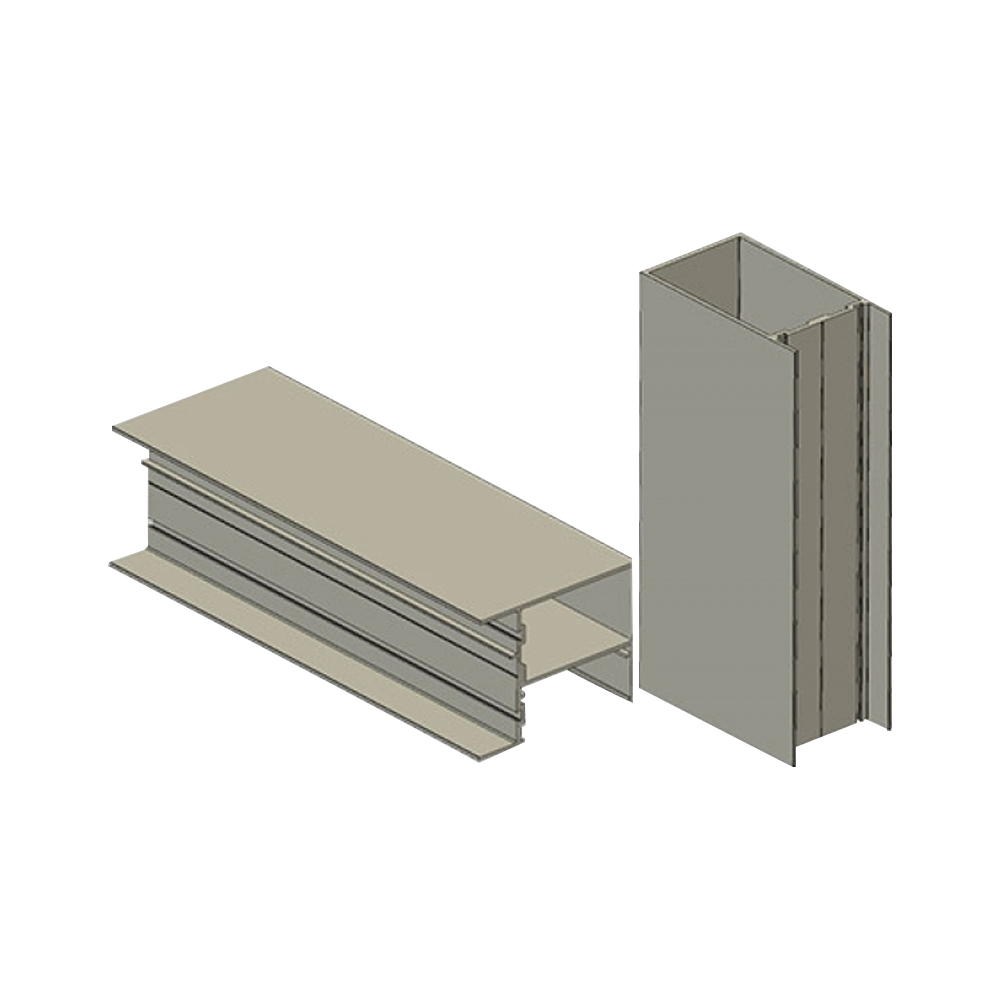 Hồ sơ nhôm tường rèm
Cấu hình nhôm vách ngăn đã cách mạng hóa kiến trúc hiện đại, đóng vai
-
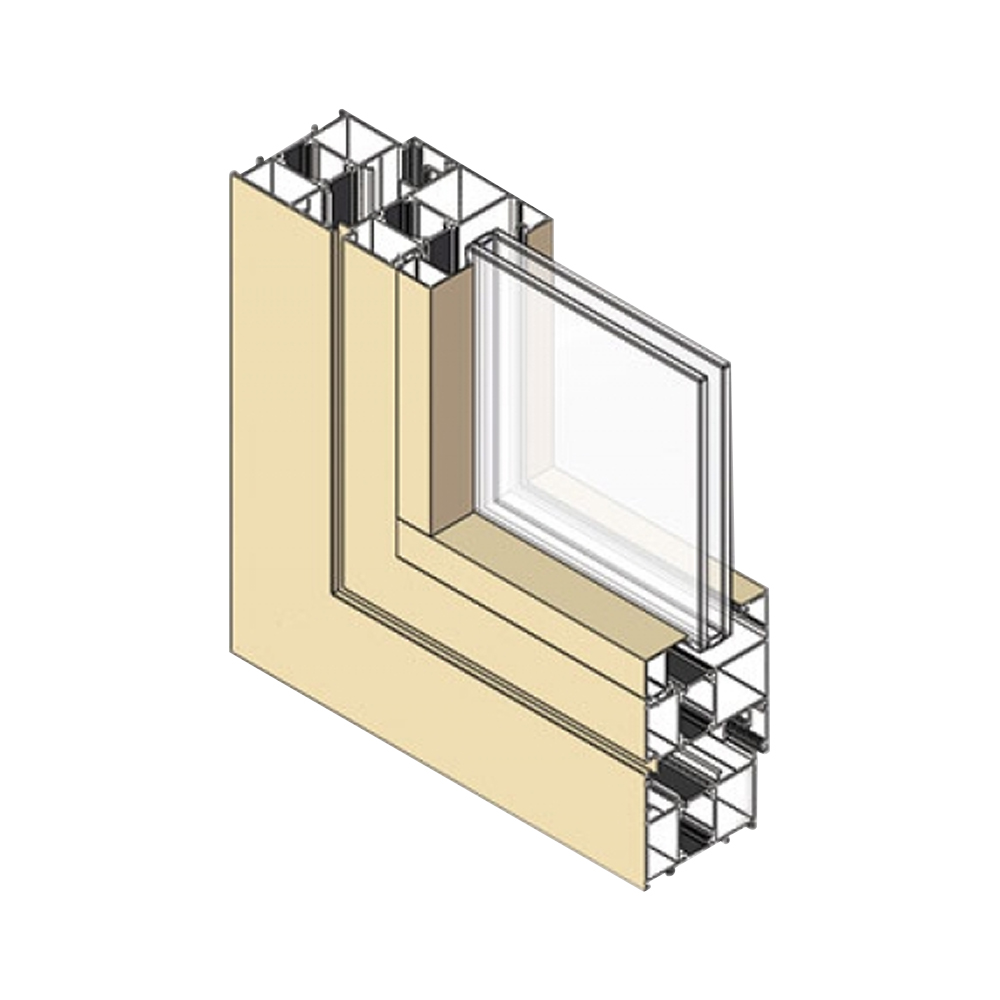 Hồ sơ nhôm cửa & cửa sổ
Cấu hình nhôm Cửa & Cửa sổ được thiết kế để có hiệu suất lâu dài. ĐÆ
-
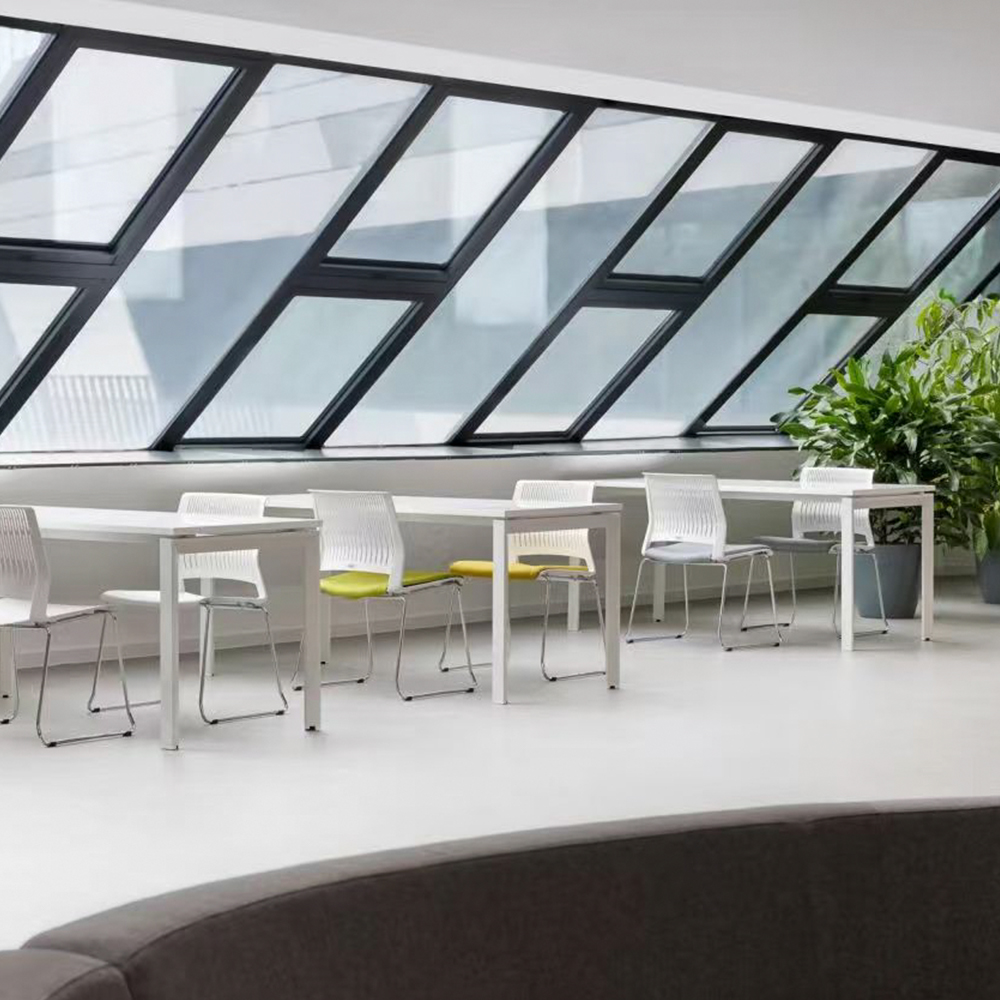 Hồ sơ nhôm nội thất
Biến đổi thiết kế nội thất với Profile nhôm cao cấp 1. Sức
-
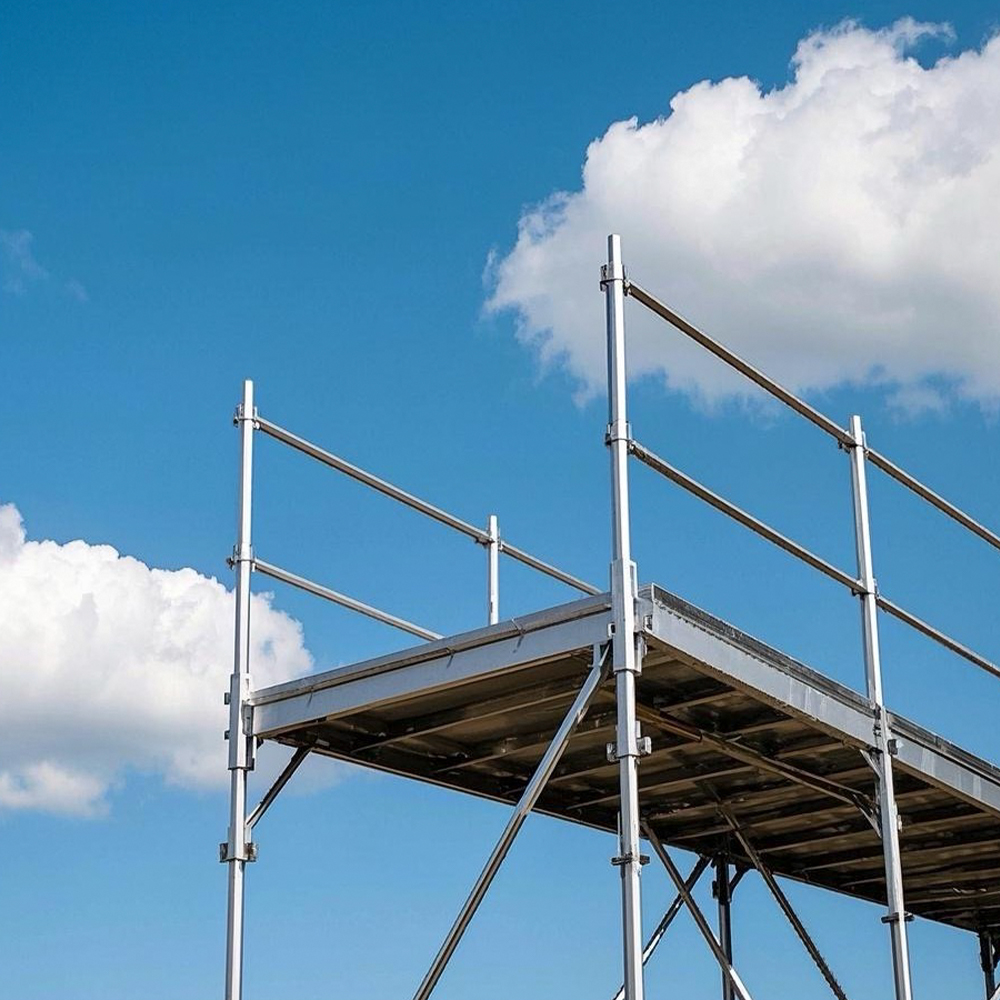 Hồ sơ nhôm giàn giáo
Cấu hình nhôm giàn giáo đang cách mạng hóa các hệ thống giàn giáo hiện đại
-
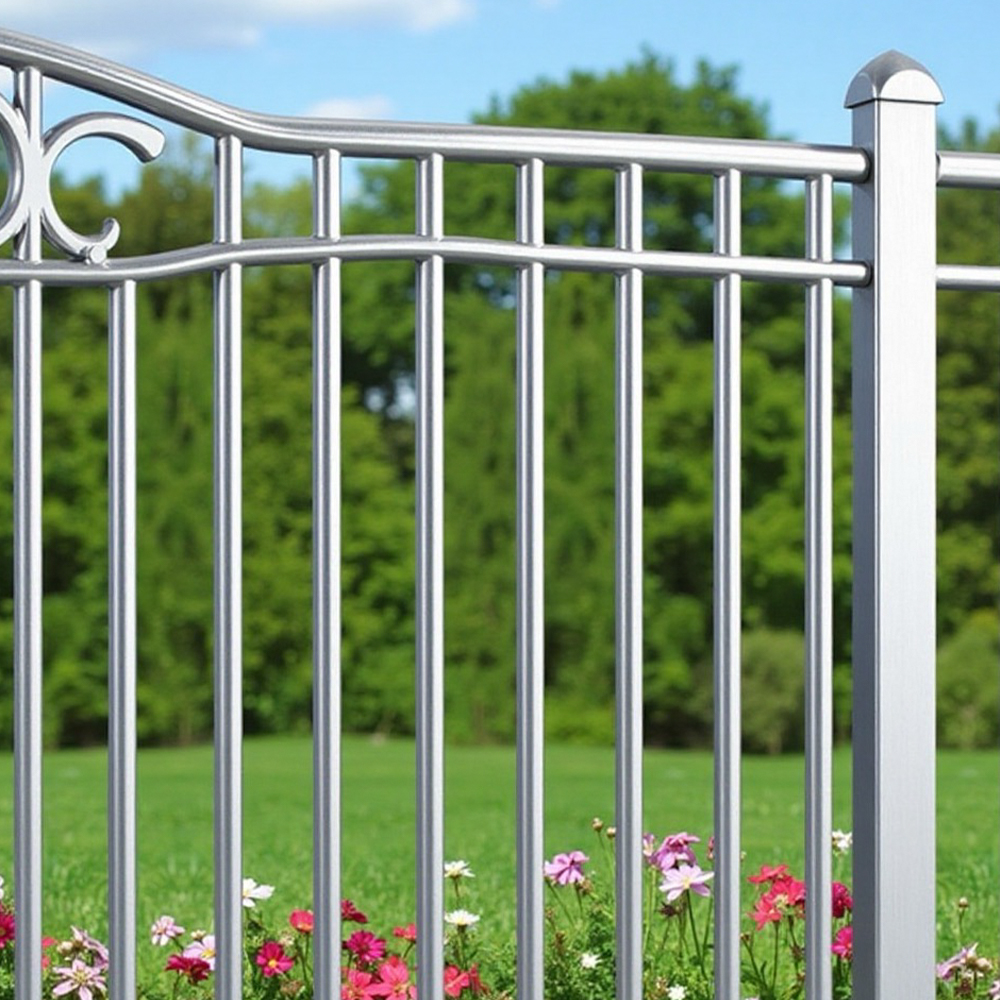 Hồ sơ hàng rào nhôm
Hồ sơ hàng rào nhôm đang cách mạng hóa ngành công nghiệp hàng rào bằng cách c
-
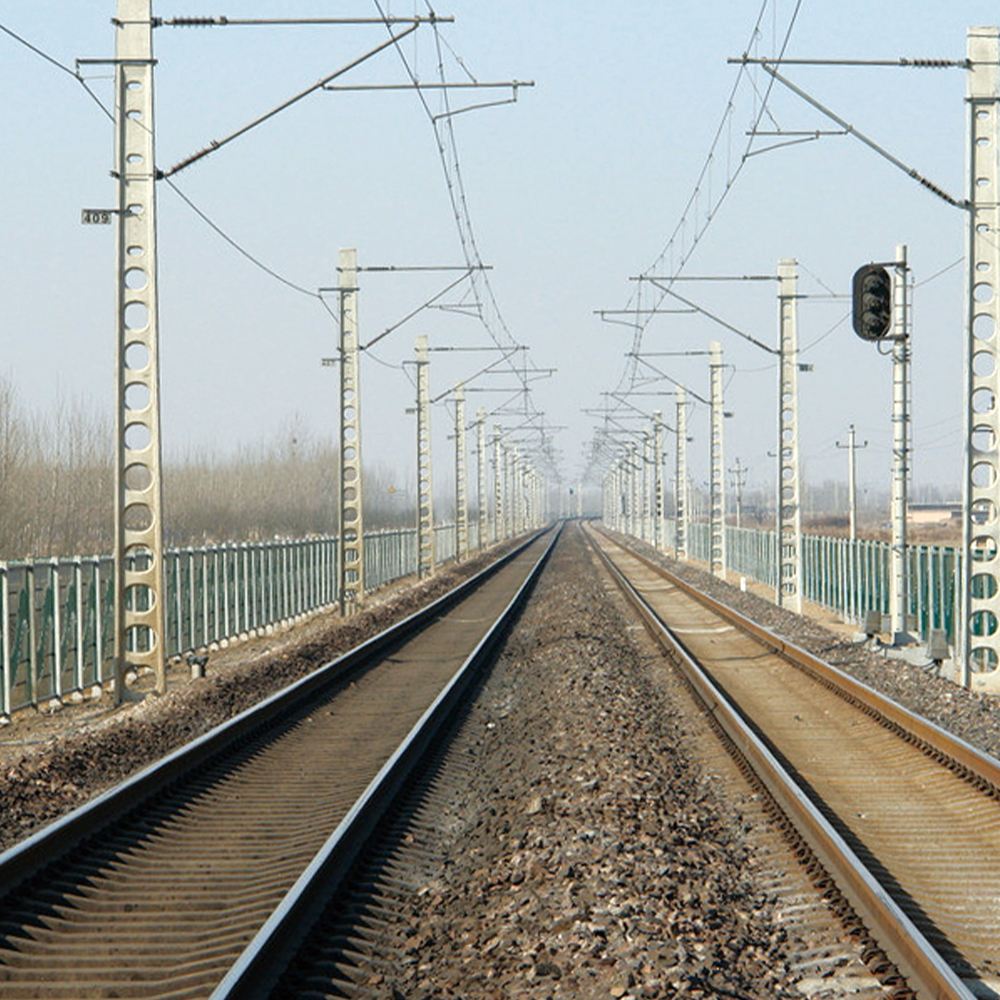 Hồ sơ vận chuyển đường sắt nhôm
Đường ray dẫn tàu tốc độ cao, biên dạng dầm động cơ cửa, biên dạng lưá
-
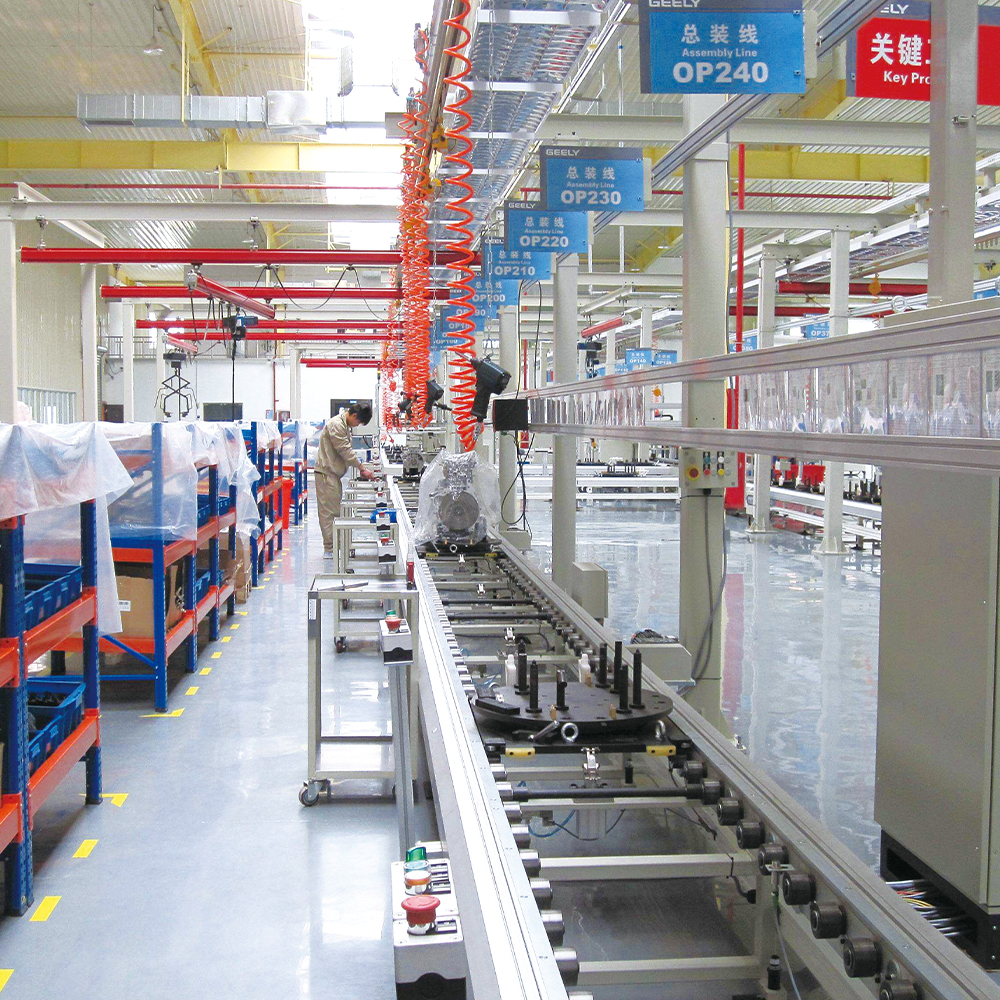 Hồ sơ nhôm dây chuyền lắp ráp công nghiệp
Cấu hình nhôm dây chuyền lắp ráp công nghiệp là xương sống của sản xuất h
-
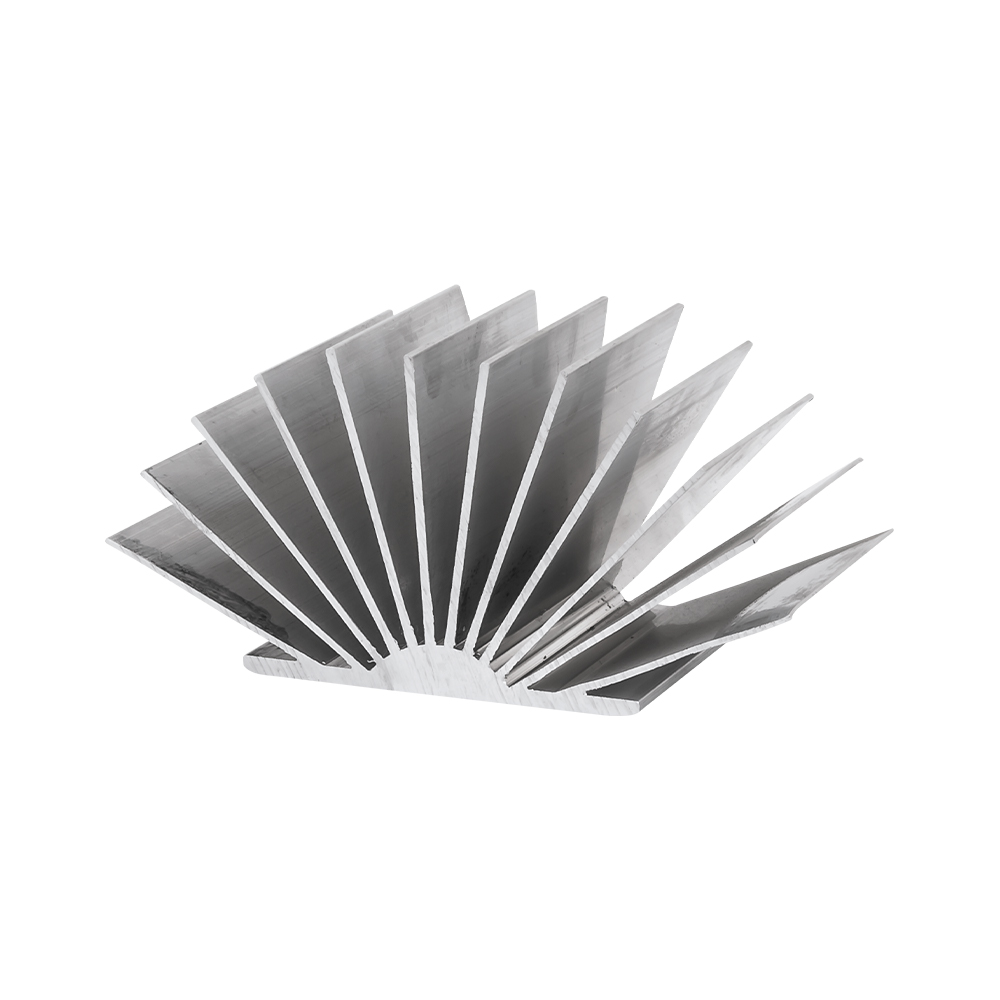 Hồ sơ tản nhiệt nhôm
Chúng tôi cung cấp tất cả các loại biên dạng vỏ động cơ, biên dạng xi lanh
-
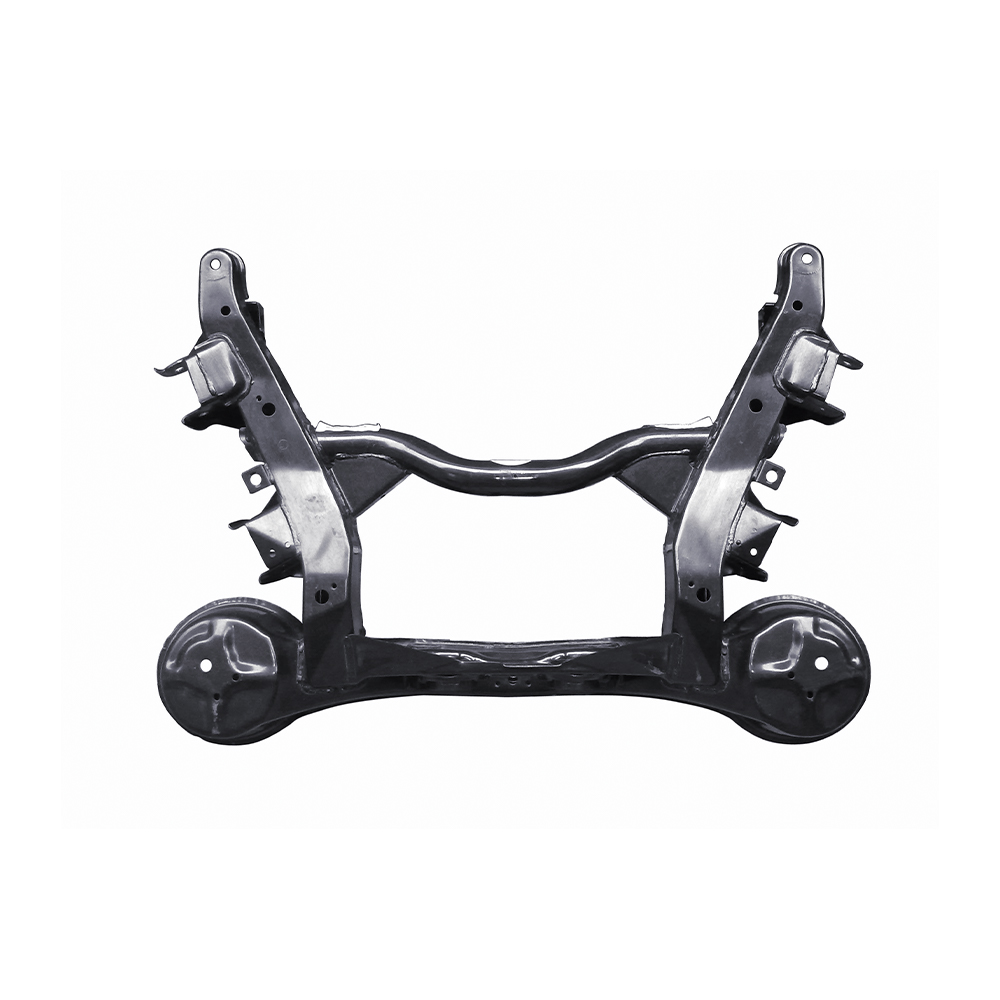 Hồ sơ bàn đạp nhôm ô tô
Sản phẩm của chúng tôi được chế tạo bằng nhôm chất lượng cao nhất, đáº
-
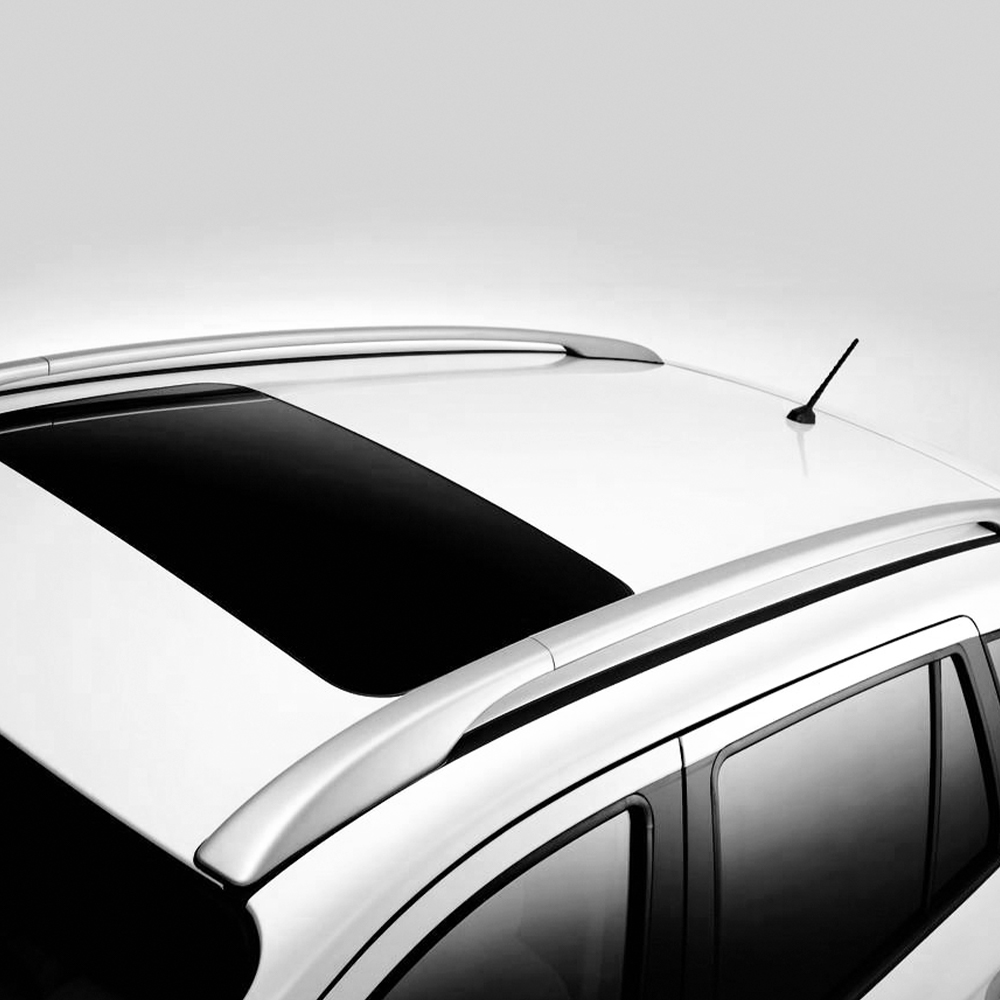 Hồ sơ đùn nhôm giá nóc ô tô
Được chế tạo để đảm bảo độ bền, tính linh hoạt và phong cách, Hồ sơ
-
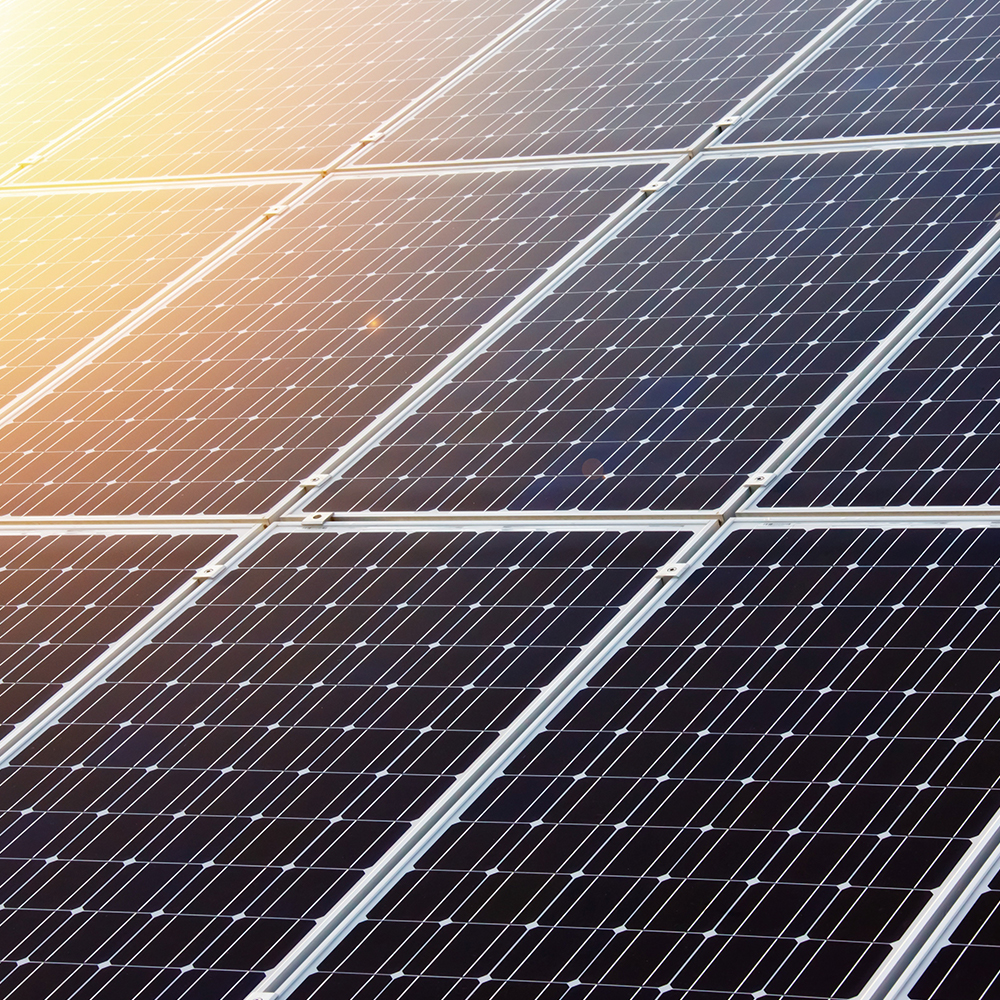 Hồ sơ nhôm khung gắn quang điện
Các cấu hình nhôm năng lượng mặt trời bao gồm các cấu hình nhôm khung quang Ä
-
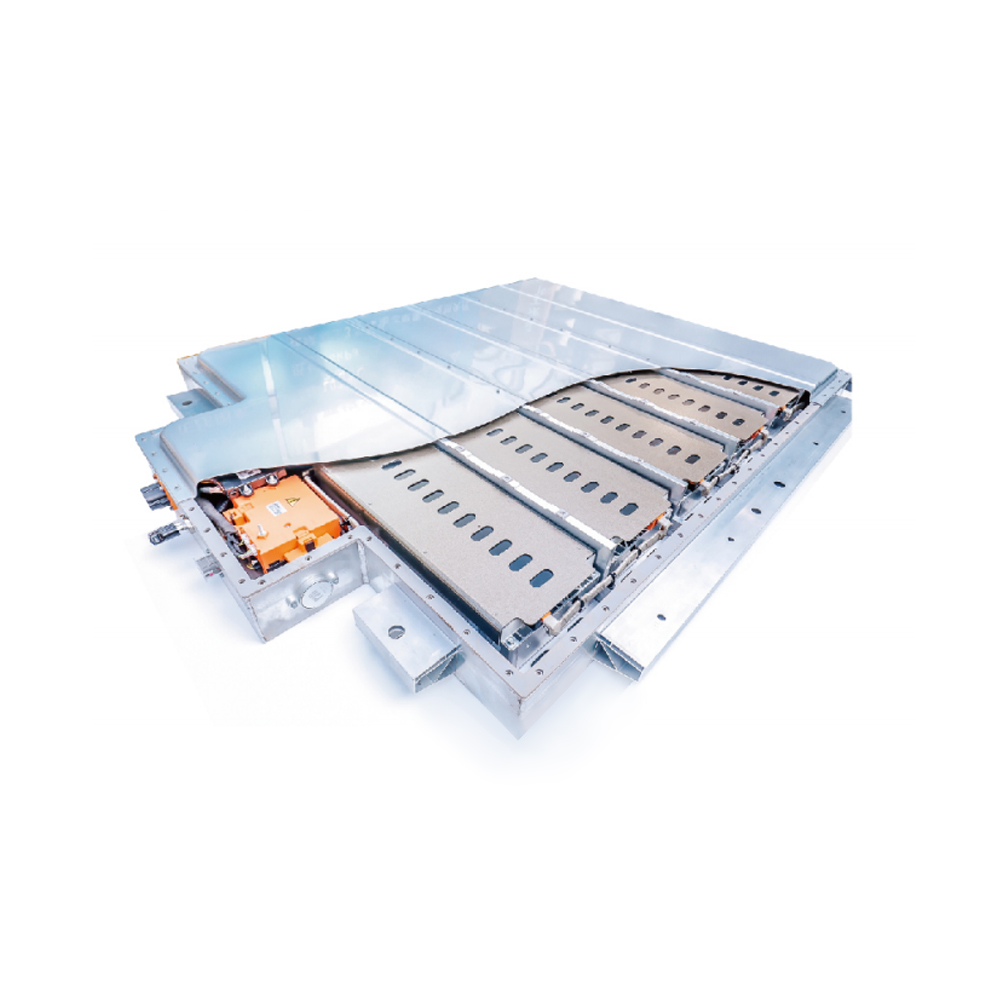 Đùn nhôm cho bộ pin lưu trữ năng lượng
Bộ pin đùn nhôm để lưu trữ năng lượng của chúng tôi được thiết kế đá»
Phản hồi tin nhắn
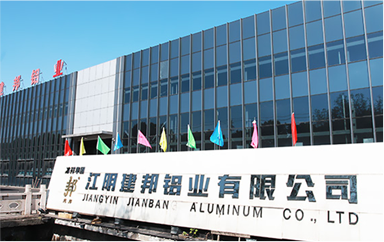
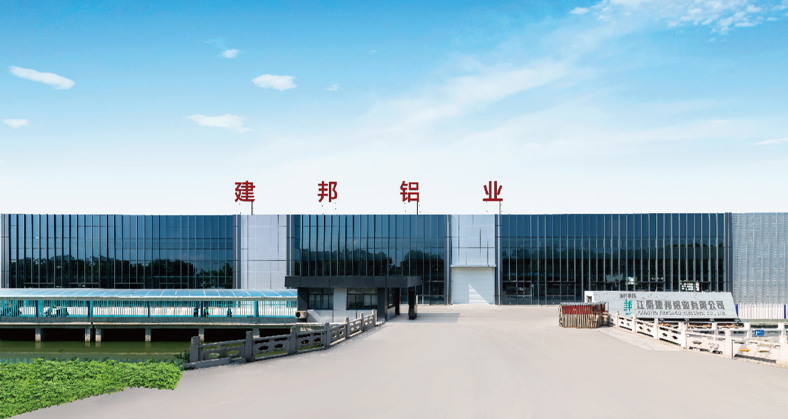
Công ty TNHH Nhôm Jianbang Giang Âm (công ty tập đoàn của Mu Xiang), tiền thân là Nhà máy đúc nhôm Gu Shan, thành lập năm 2003, đã hoạt động sâu trong ngành nhôm định hình suốt 20 năm.
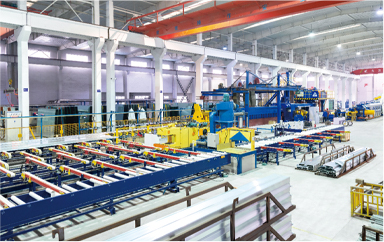
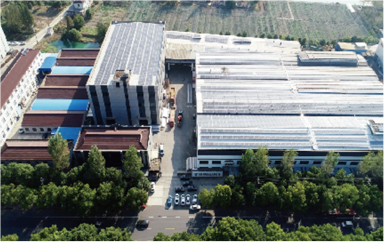
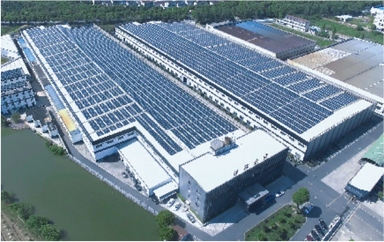
Công ty chiếm khoảng 200.000 mét vuông đất với công suất sản xuất hàng năm dự kiến 120.000 tấn. Năm 2023, công ty đạt doanh số trên 80.000 tấn và doanh thu vượt 2 tỷ nhân dân tệ. Được trang bị 21 dây chuyền sản xuất ép đùn, nhiều loại thiết bị gia công cho các quy cách khác nhau và một trung tâm gia công khuôn mẫu nội bộ, công ty cung cấp dịch vụ một cửa cho R&D và sản xuất tùy chỉnh.
Sản phẩm của chúng tôi phù hợp cho các ứng dụng trong xe năng lượng mới, lưu trữ năng lượng, khung giá đỡ quang điện, giao thông đường sắt, thiết bị cơ khí và xây dựng. Công ty nổi bật về quy mô và sức mạnh, đổi mới công nghệ, kiểm soát chất lượng và dịch vụ khách hàng, và có danh tiếng thị trường tuyệt vời.
Nhôm Jianbang đề cao tinh thần thủ công và đổi mới, hợp tác chặt chẽ với khách hàng mới và cũ để đạt được sự phát triển chung và xây dựng một tương lai chung thông qua các sản phẩm chất lượng cao và dịch vụ toàn diện.
Blog
-
-
Một người quản lý chế tạo nhận được bản vẽ sửa đổi vào thứ Hai: cấu hình nhôm mỏng hơn 0,4 mm, lớp hoàn thiện anodized chuyển từ trong suốt sang màu đen và các lỗ lắp di chuyển 2 mm. Nhà cung cấp báo giá cùng một sản phẩm, tuy nhiên lần sản xuất đầu tiên không kiểm tra được độ vừa vặn. Nguyên ...
ĐỌC THÊM -
Một người xây dựng khung đặt hàng bốn mươi chiều dài có biên dạng rãnh chữ T 80 x 80 mm trong 6063-T5, gia công cả hai đầu vuông góc, bắt vít lên giàn và sau đó đo cung 0,7 mm trên 1,5 m đường ray tuyến tính. Khuôn vẫn hoạt động tốt, vật liệu ép đùn nằm trong dải dung sai của nó và nhà cung cấ...
ĐỌC THÊM
Liên kết nhanh
Sản phẩm

Liên hệ với chúng tôi!
- +86-0510-68827885
-
bo.yang@chinamoshell.com
jacky@chinamoshell.com
mike@chinamoshell.com
wangxinbei@chinamoshell.com - Số 106, đường Yungu, thị trấn Gushan, thành phố Jiang Âm, tỉnh Giang Tô, Trung Quốc.
Bản quyền © 2025 Công ty TNHH Nhôm Jiangyin Jianbang
Đã đăng ký bản quyền.
 Nhà sản xuất thanh nhôm định hình tùy chỉnh